Dump Guides: Planning Efficient Waste and Junk Removal
Wiki Article
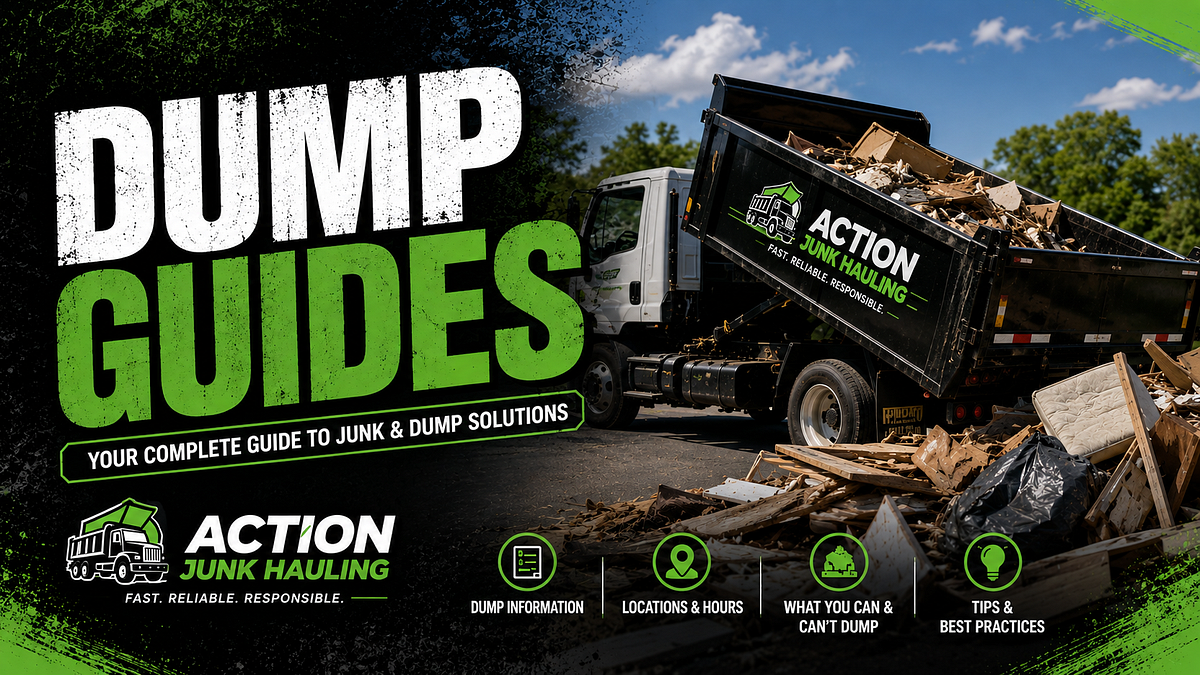
Getting rid of unwanted junk is often one of those jobs that people keep putting off. A few old boxes in the garage may not seem like a problem, but over time, unwanted furniture, appliances, yard debris, construction materials, and household items can take over valuable space. When the amount of junk becomes difficult to manage, finding the right disposal option becomes important. This is where useful dump guides can help homeowners understand their choices and plan the job before loading anything into a vehicle.
A good dump guide is more than a list of disposal locations. It helps people understand what to consider before taking junk to a dump, how to prepare different types of materials, what transportation may be required, and when professional junk hauling could make more sense. These decisions can be especially important for homeowners in Washington and Oregon, where local disposal options and requirements can vary between communities.
Action Junk Hauling serves homeowners, businesses, property owners, contractors, and other customers who need help removing unwanted materials. Its services include junk removal, property cleanouts, construction debris removal, demolition work, dumpster rentals, and other hauling solutions. Understanding these options can make a cleanup project easier to organize from beginning to end.
Why Dump Guides Matter Before You Start
Many people think about disposal only after they have finished cleaning. By that point, they may already have a driveway, garage, or yard filled with unwanted materials. Without a disposal plan, the cleanup can quickly become more difficult than expected.
Dump guides provide a starting point. They help homeowners think about the type of junk they have, where it might be accepted, and whether they have the right vehicle and equipment to transport it. Planning these details before beginning a large cleanout can prevent unnecessary trips and save valuable time.
A disposal plan is particularly useful when the project includes multiple types of material. Old furniture, appliances, electronics, yard waste, and construction debris may not all have the same disposal requirements. Separating these materials and understanding their disposal options can make the entire process more organized.
Start by Understanding What Needs to Go
The first step in almost every junk removal project is identifying what actually needs to be removed. This sounds simple, but large cleanouts can involve hundreds of individual items. Some may be reusable, some recyclable, and others may simply be unwanted waste.
A garage cleanup might include old tools, broken equipment, furniture, boxes, bicycles, and miscellaneous household items. A home renovation can create flooring, wood, fixtures, drywall, concrete, brick, and other construction debris. An estate cleanout may involve furniture, mattresses, appliances, electronics, and personal belongings.
Understanding the contents of the load makes it easier to determine the appropriate disposal method. It also helps estimate the amount of space the junk will occupy. This information becomes important when deciding whether the project can be completed with a personal vehicle or whether a larger hauling solution is necessary.
Check Local Disposal Information First
Local disposal facilities can have different rules, operating schedules, and accepted materials. Because of this, homeowners should not assume that every dump or transfer facility accepts everything they want to remove.
Checking current information before making a trip can prevent wasted time. It is useful to confirm whether the facility accepts the specific material, whether there are special requirements, and whether disposal charges apply. Information found online should also be checked for freshness because facility policies can change.
Action Junk Hauling maintains local dump guide resources for communities in Washington and Oregon. These resources are designed around specific locations rather than treating every disposal facility as though it operates in exactly the same way. Location-specific information can be especially helpful when someone is trying to determine the most practical disposal option for a local cleanup.
Understanding the Difference Between Junk and Construction Debris
Not all unwanted materials should be treated as ordinary household junk. Construction debris can be heavier, bulkier, and more difficult to transport. A remodeling project may produce large quantities of wood, concrete, brick, flooring, fixtures, and other materials.
Construction debris can also require more planning because of its weight. A pickup truck that works for household furniture may not be suitable for a large amount of concrete or dirt. Loading heavy debris without proper equipment can also create unnecessary physical risks.
Action Junk Hauling provides construction debris removal services as part of its broader hauling options. The company also lists services related to concrete and brick removal, dirt and soil removal, and demolition cleanup. For homeowners and contractors, professional assistance can be useful when a project produces more debris than can reasonably be handled through ordinary household disposal.
How Home Cleanouts Change the Disposal Process
Home cleanouts are another situation where dump guides become valuable. A normal household may accumulate unwanted items slowly over many years. When the property eventually needs to be cleared, all of those items may need to be removed within a short period.
Moving, selling a property, preparing a rental unit, managing an estate, or cleaning up after an eviction can create a large volume of unwanted material. The challenge is not always finding a place for one item. The challenge is managing everything at once.
A successful cleanout usually starts with organization. Items can be separated according to whether they are being kept, donated, recycled, sold, or removed. Once the unwanted items have been identified, the homeowner can estimate the volume and determine the most efficient way to haul everything away.
For larger cleanouts, professional junk removal can reduce the amount of physical work involved. Instead of making repeated trips to a disposal facility, a homeowner can arrange for a hauling company to manage the removal and transportation process.
Garage Cleanouts and Everyday Junk
Garages are one of the most common places where unwanted items accumulate. A garage may begin as a place for vehicles and tools but eventually become storage for furniture, boxes, appliances, seasonal decorations, broken equipment, and items that have not been used for years.
A garage cleanout can create a surprisingly large amount of junk. Even when individual items are not especially large, the combined volume can fill a truck quickly. This is why estimating the amount of junk before beginning the cleanup is helpful.
For smaller projects, homeowners may be able to handle transportation themselves. Larger projects may require a trailer, rental truck, or professional hauling service. The right choice depends on the quantity of material, the available vehicle, the distance to the disposal facility, and the amount of time the homeowner can dedicate to the job.
Dealing With Old Furniture
Furniture can create a particular challenge because many pieces are large and difficult to move. Sofas, mattresses, cabinets, tables, dressers, and other bulky items may require more than one person to carry safely.
Before throwing furniture away, homeowners may want to consider whether it can be reused or donated. Items that are no longer suitable for reuse can then be evaluated for disposal or junk removal.
If several pieces need to be removed at the same time, professional hauling may be more convenient than arranging transportation individually. A professional team can handle the physical removal while the homeowner focuses on organizing the rest of the property.
Action Junk Hauling's services include furniture and mattress removal along with broader household junk removal. This makes professional hauling an option for customers dealing with bulky household items as part of a larger cleanup.
What About Old Appliances?
Appliances can also complicate a disposal project. Refrigerators, washing machines, dryers, televisions, and other large appliances can be heavy and difficult to transport without the appropriate vehicle.
Some appliances may have specific disposal or recycling requirements. Homeowners should therefore determine how the particular appliance is handled before taking it to a disposal facility.
When several appliances are being removed during a renovation, move, or property cleanout, hiring a professional hauling company can save considerable effort. Instead of arranging transportation for each item, homeowners can have multiple unwanted appliances removed as part of the same project.
Yard Waste and Outdoor Cleanup
Junk does not always come from inside a building. Outdoor areas can also accumulate unwanted materials over time. Old patio furniture, broken sheds, branches, yard waste, fencing, damaged outdoor equipment, and other debris can make a property look cluttered.
Seasonal yard cleanup may produce more material than a homeowner expects. A large property cleanup can require multiple trips if everything is transported using a small personal vehicle.
Action Junk Hauling includes yard waste pickup among its services, along with shed cleanouts and other property cleanup solutions. For larger outdoor projects, professional hauling can provide a convenient way to remove the accumulated material without requiring the homeowner to make repeated disposal trips.
The Real Cost of Taking Junk to the Dump
One common mistake is to compare only the disposal fee when deciding whether to handle junk removal independently. The actual cost of a DIY project can include several other expenses.
Fuel is one consideration. If the disposal facility is a significant distance away, multiple trips can increase transportation costs. A rental truck or trailer may also be necessary if the homeowner does not have a suitable vehicle.
Time is another major factor. Loading, driving, waiting, unloading, and returning home can turn a short cleanup into an entire day of work. Heavy materials can also require additional help or equipment.
Professional junk removal should therefore be compared based on the complete project rather than just the disposal fee. For a small load, DIY disposal may be the simplest choice. For a large cleanout or heavy debris project, professional hauling may provide better overall convenience.
When a Dumpster May Be More Practical
Some projects produce junk over several days rather than all at once. A home renovation, construction project, major cleanout, or property improvement project may generate a steady stream of debris.
In these situations, a dumpster can provide a convenient temporary place to collect material. Instead of allowing debris to accumulate in different areas of the property, the material can be placed into one designated container.
Action Junk Hauling offers dumpster rental services as another option for customers who need a convenient way to manage debris during a project. The right solution depends on the project timeline, amount of material, available space, and type of debris being generated.
Preparing for Professional Junk Removal
Even when hiring a professional junk removal company, a little preparation can make the process smoother. Homeowners should identify the items that need to be removed and make sure the crew can access them.
For indoor cleanouts, clearing pathways can make it easier to move large items through the property. For outdoor projects, keeping the removal area accessible can also help the hauling process move efficiently.
It is useful to communicate clearly about the type and approximate amount of junk involved. Photos can sometimes help a hauling company understand the project before arriving. Clear information allows the service provider to determine the most appropriate approach.
Responsible Junk Disposal and Recycling
Responsible disposal involves more than simply getting unwanted items out of the house. Some materials may be suitable for recycling, reuse, donation, or specialized processing.
Homeowners should avoid assuming that everything belongs in the same waste stream. Electronics, appliances, certain materials, and other items may have separate disposal requirements depending on local rules.
Professional junk removal companies can help simplify the process by handling large quantities of material and directing items toward appropriate disposal or recycling channels when available. Customers should still ask about the company's disposal practices if responsible waste handling is an important part of their project.
Dump Guides for Moving Projects
Moving is one of the most common reasons people suddenly realize how much unnecessary stuff they own. Items that seemed useful in a larger home may no longer fit in the new property or may not be worth transporting.
Moving is therefore a good opportunity to reduce clutter. Old furniture, broken appliances, unused household items, boxes, and miscellaneous junk can be removed before the move.
Starting the cleanup early makes the process less stressful. Instead of waiting until moving day, homeowners can gradually identify unwanted items and arrange for their disposal. A professional junk removal service can be particularly useful when there is a large volume of material that needs to be cleared before the moving truck arrives.
Dump Guides for Rental and Property Owners
Property owners and landlords may also need junk removal after tenants leave. Rental units can sometimes require significant cleanup before they are ready for the next occupant.
An empty rental property may contain furniture, appliances, household waste, damaged items, and other unwanted materials. The property owner may have a limited amount of time to prepare the space for its next use.
Professional cleanout and junk removal services can help property owners handle these projects more efficiently. Action Junk Hauling offers rental unit cleanouts and other property-related cleanup services, providing an option for owners who need assistance preparing a property.
Making the Right Disposal Decision
The best disposal method depends on the individual project. A homeowner with a few small items may find it easiest to transport them independently. Someone clearing an entire garage may need a truck or trailer. A contractor working on a renovation may benefit from a dumpster or construction debris removal service.
The important thing is to evaluate the entire situation before choosing an option. Consider the amount of junk, the weight of the material, transportation requirements, disposal rules, available time, and physical effort involved.
A dump guide can help homeowners ask the right questions before committing to a disposal method. Instead of choosing the first option that appears in search results, they can compare the available solutions and select the one that fits their project.
Final Thoughts on Dump Guides
A well-planned junk disposal project does not have to be stressful. The process becomes much easier when homeowners understand what they are removing, where the material can go, and how it will be transported.
Dump guides are useful because they provide practical information for different situations, from small household cleanups to major property projects. They can help homeowners understand local disposal options, prepare materials, estimate transportation requirements, and decide whether DIY hauling or professional junk removal is the better choice.
For small amounts of lightweight junk, handling the project independently can be practical. Larger jobs may require more time, equipment, and physical effort than expected. Garage cleanouts, estate cleanouts, moving projects, construction debris, appliance removal, and large outdoor cleanups are examples where professional assistance may make the process considerably easier.
Action Junk Hauling provides junk removal and hauling solutions for homeowners, businesses, contractors, and property owners across its service areas in Washington and Oregon. Its services cover a broad range of cleanup needs, including household junk, furniture, appliances, yard waste, construction debris, cleanouts, demolition debris, and dumpster rentals.
Ultimately, the goal of a good dump guide is not simply to tell people where to take their junk. It is to help them make a practical decision based on their particular situation. With some preparation and an understanding of the available options, homeowners can clear unwanted materials from their properties while saving unnecessary trips, effort, and frustration.
Report this wiki page